When a new client joins us, one of the first questions that usually comes up, often very early on, is simple: “Which channels should we be using?”
LinkedIn? Google Ads? Email? SEO? Socials?
It’s a reasonable question. But it’s rarely the right place to start.
Because choosing channels before you’ve achieved clarity is a bit like choosing tools before you know what you’re building. You might stay busy, but progress is far from guaranteed.
When channels become the strategy
It’s easy to see how this happens.
Channels are tangible. They’re familiar. They come with dashboards, metrics and visible activity. Strategy, by contrast, feels slower and less obvious. It requires thinking, alignment, and decisions, often about what not to do.
So instead of pausing to ask what the business is trying to achieve, who it’s really talking to, or what success would genuinely look like, the conversation jumps straight to channels.
“We should be on LinkedIn.”
“We need to do more SEO.”
“Everyone’s doing video.”
Task lists fill up. Activity increases. Everyone feels busy, which can look a lot like progress from the outside.
But it isn’t the same thing.
Clarity is the work before the work
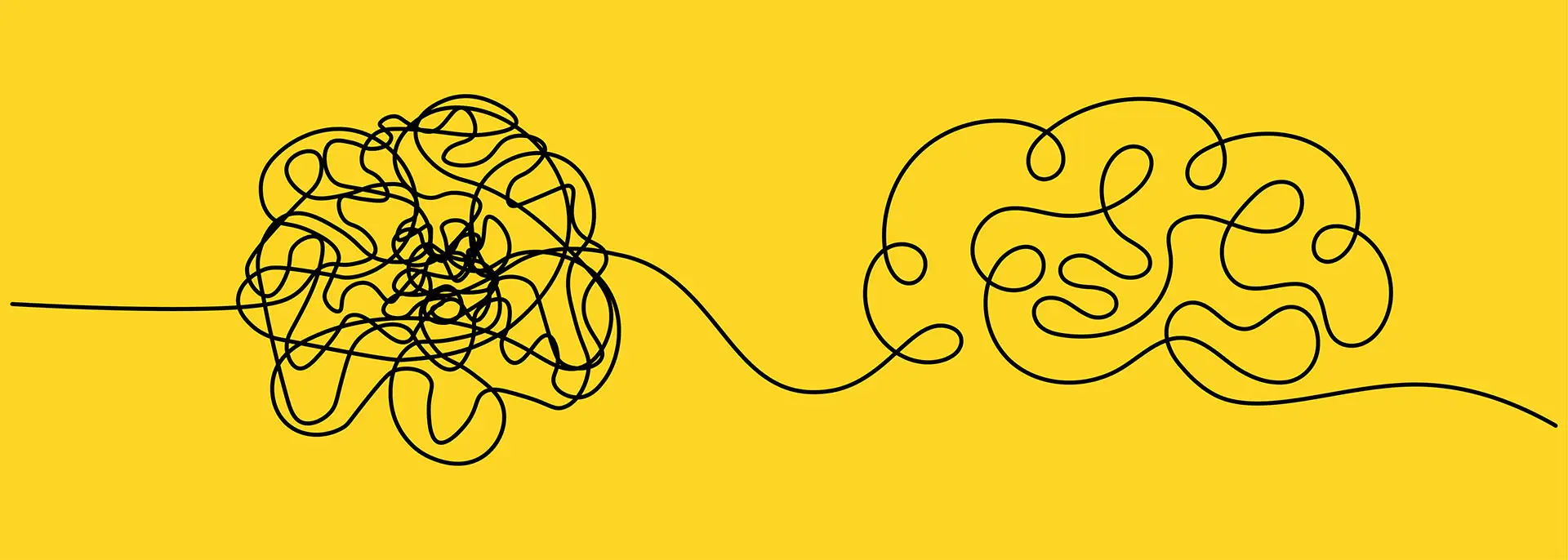
Real strategy doesn’t start with channels. It starts with clarity.
Clarity about who you’re trying to reach, not just their job title, but their context and readiness. Clarity about what you offer, not a list of services, but the value behind them. Clarity about priorities, constraints, and what matters now, not eventually.
Often, this is the difference between talking to “people like us” and reaching people who are ready to engage.
Without that clarity, channels don’t amplify your message. They amplify confusion. You can be active everywhere and still be unclear.
Why this keeps happening
There are understandable reasons channel-first thinking is so common.
Channels feel actionable, especially when strategy feels abstract. Platforms change quickly, which creates urgency and fear of missing out. Marketing activity is increasingly visible, so being busy can feel reassuring. And teams are stretched, which means thinking time is the first thing to go.
None of this makes businesses careless. It makes them human.
But it does mean many organisations end up doing a lot of marketing without being entirely sure what it’s supposed to be doing for them.